
Our History
In 2008 Molloy University formally assumed oversight of the Rebecca Center for Music Therapy. This transition allowed the Center to grow significantly in scope and impact, expanding its mission across clinical services, professional training, research and community-based programming.
Following its integration into Molloy University, the Rebecca Center became the site of the first clinical trial ever conducted at the university. This landmark study involved collaborators from 9 countries and was the largest non-pharmacological autism study at the time. The Rebecca Center was invited to serve as the United States research site, positioning it as a leader in international autism and music therapy research.
Since then, the Center has engaged in numerous research initiatives and international collaborations.
Music therapists and research assistants of the Rebecca Center have authored and contributed to peer reviewed research publications, including articles published in the prestigious Journal of the American Medical Association (JAMA). These scholarly contributions reflect the Center’s commitment to advancing evidence informed practice while centering neurodiverse perspectives through clinically grounded music-centered work.
Under the leadership of Dr. John Carpente, the Rebecca Center has also pioneered both a music therapy assessment model and a music therapy treatment model that are taught and utilized globally. These models emphasize individualized, music-centered and developmentally informed practice and continue to influence clinical work, training programs and research worldwide.
In addition to on-site clinical services and research, the Rebecca Center has expanded its mission into school districts, community centers and day-habs across Long Island by providing staff development, consultation and clinical programming. School districts transport students to the Center weekly, further extending access to music therapy services while providing training experiences for tomorrow’s music therapists.
The Center’s commitment to inclusion and neurodiversity is also reflected in its community-based arts initiatives. Among these is Unity Through Diversity, an annual event that brings together musical performances and visual art created by neurodiverse individuals and individuals of all abilities. What began as a small community gathering has grown into a highly anticipated event that now sells out the Madison Theatre and draws participation from community-based programs throughout Long Island and the greater New York metropolitan area. The event has gained visibility through news outlets, social media and community networks, reinforcing the Center’s role as a leader in inclusive arts and community engagement.
Today, the Rebecca Center for Music Therapy is recognized world-wide as a multifaceted institution that integrates clinical services, university-based training, research, community outreach and global education.
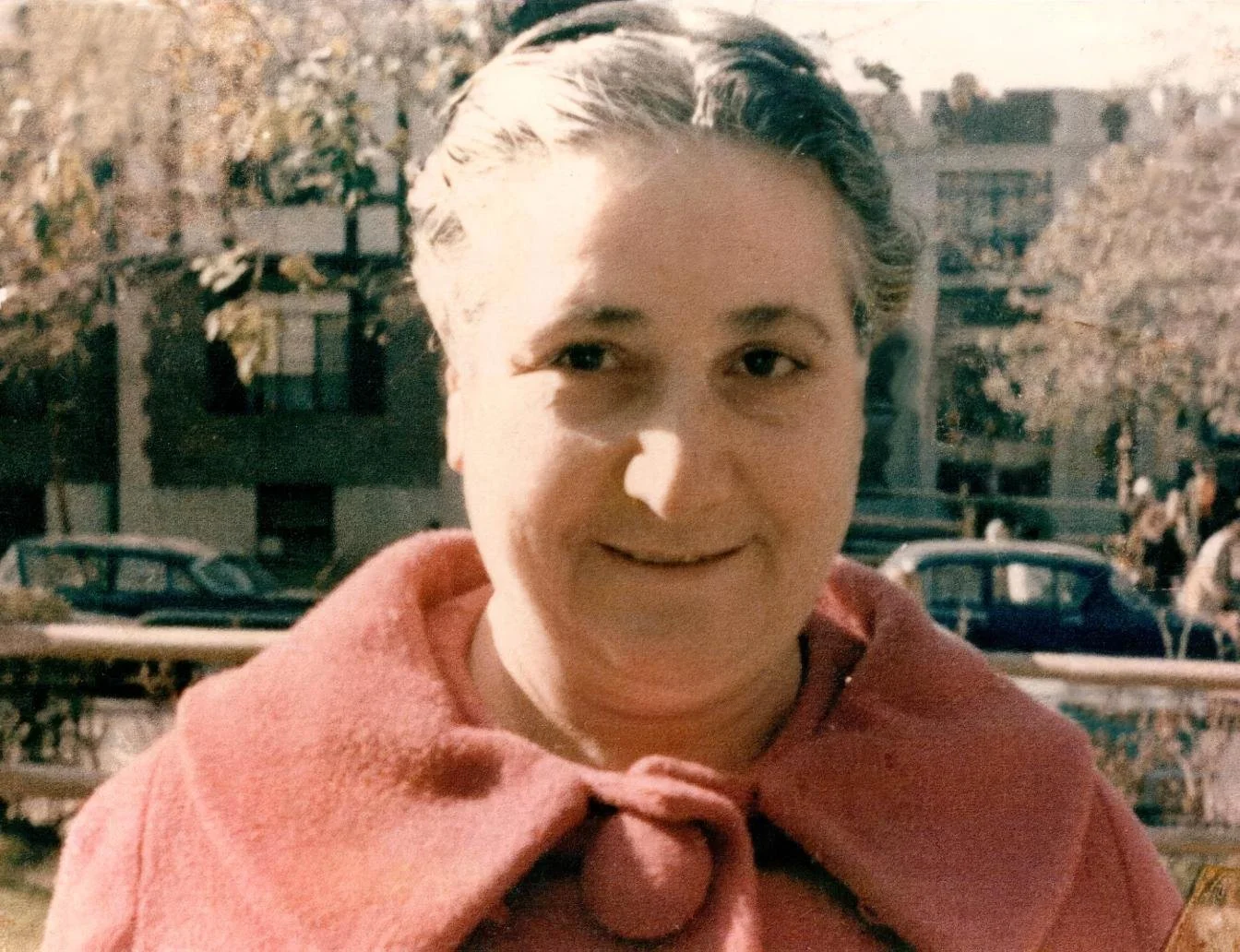
Guided by the founding values inspired by Ricketta Rebecca Nathan, the Rebecca Center continues to lead with humanity, innovation and a belief in music as a powerful vehicle for inclusion, connection and opportunity for people of all abilities.
History of the Rebecca Center for Music Therapy
The Rebecca Center for Music Therapy was founded in 1999 by Dr. John Carpente and is named in honor of his late grandmother, Ricketta Rebecca Nathan, whose values of humanity, generosity and selflessness continue to guide its mission. From its inception the Rebecca Center was grounded in a deep respect for human difference and a belief that music creates meaningful access, opportunity and voice for people of all abilities.
Long before the concept of neurodiversity became part of mainstream clinical and educational conversations, the Rebecca Center embraced an inclusive, strengths-based perspective. Since 1999, the Center has emphasized honoring differences and creating music experiences that provide opportunities that support participation, communication and self-expression across the neurodiversity spectrum.
The Rebecca Center began in the basement of a church in Melville, Long Island, serving a single child. The program quickly expanded into multiple service days and outreach initiatives throughout Long Island and Manhattan. Even in its earliest years, the Center served individuals across a wide range of ages and clinical profiles.
Established as a nonprofit organization, the Rebecca Center was supported by a dedicated group of volunteer board members who helped guide its early growth. During this period, the Center expanded its clinical reach while remaining deeply committed to inclusion, neurodiversity and community engagement.
In 2002, while still operating as a separate entity, the Rebecca Center relocated to Molloy College. Dr. Carpente, a Molloy alumnus, envisioned the university as a natural home for the Center and a place where clinical service, education and advocacy could intersect. This move allowed music therapy students to participate in supervised clinical training that complemented classroom learning and reinforced the Center’s role in shaping future music therapists through real world experience.